

Lite and portable cutting tables
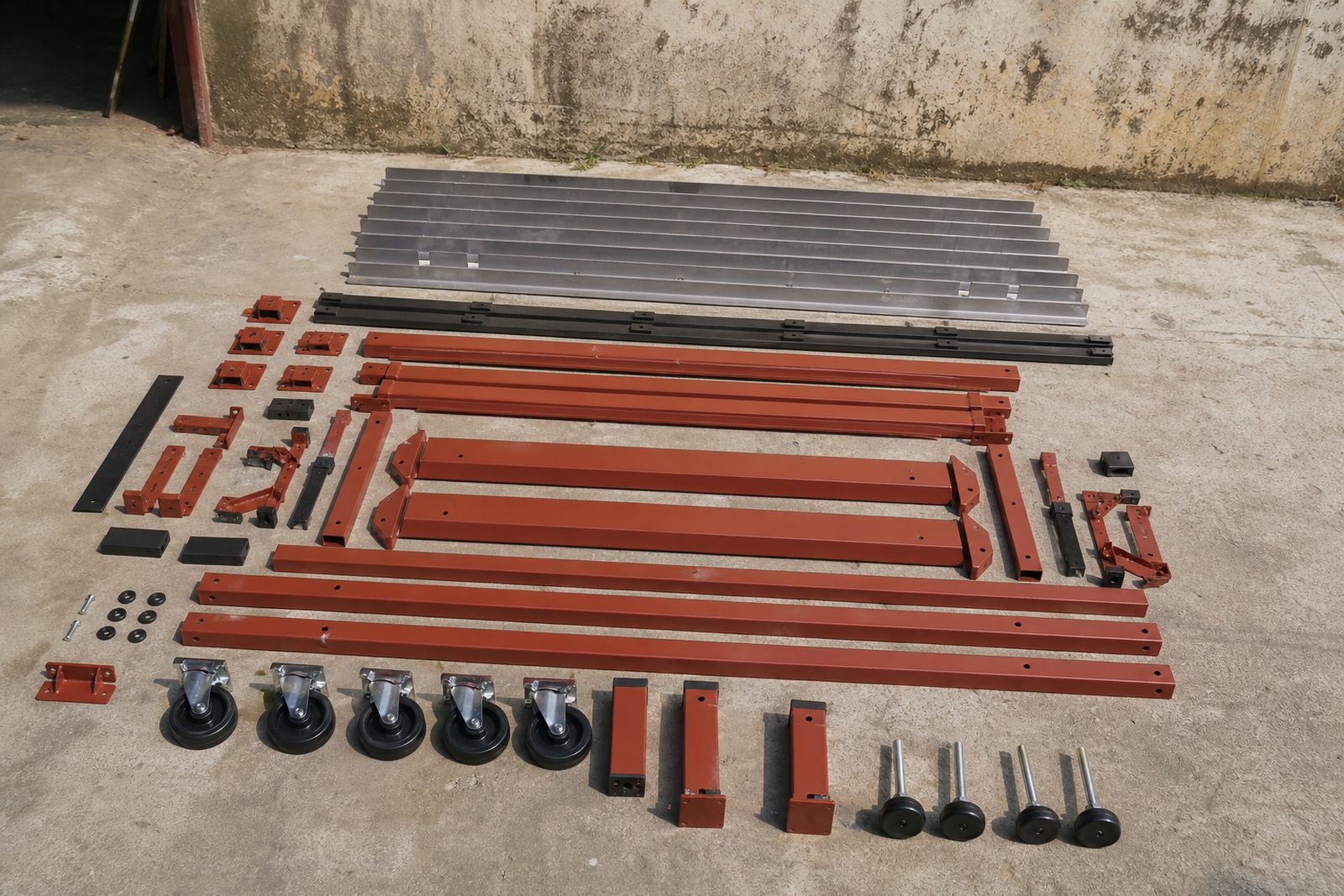
Our lite cutting tables are built for portable gantries, repair bays and smaller fabrication floors where floor space matters. They bolt together, travel more easily than a heavy bed, and give you a straight practical base for plasma work.
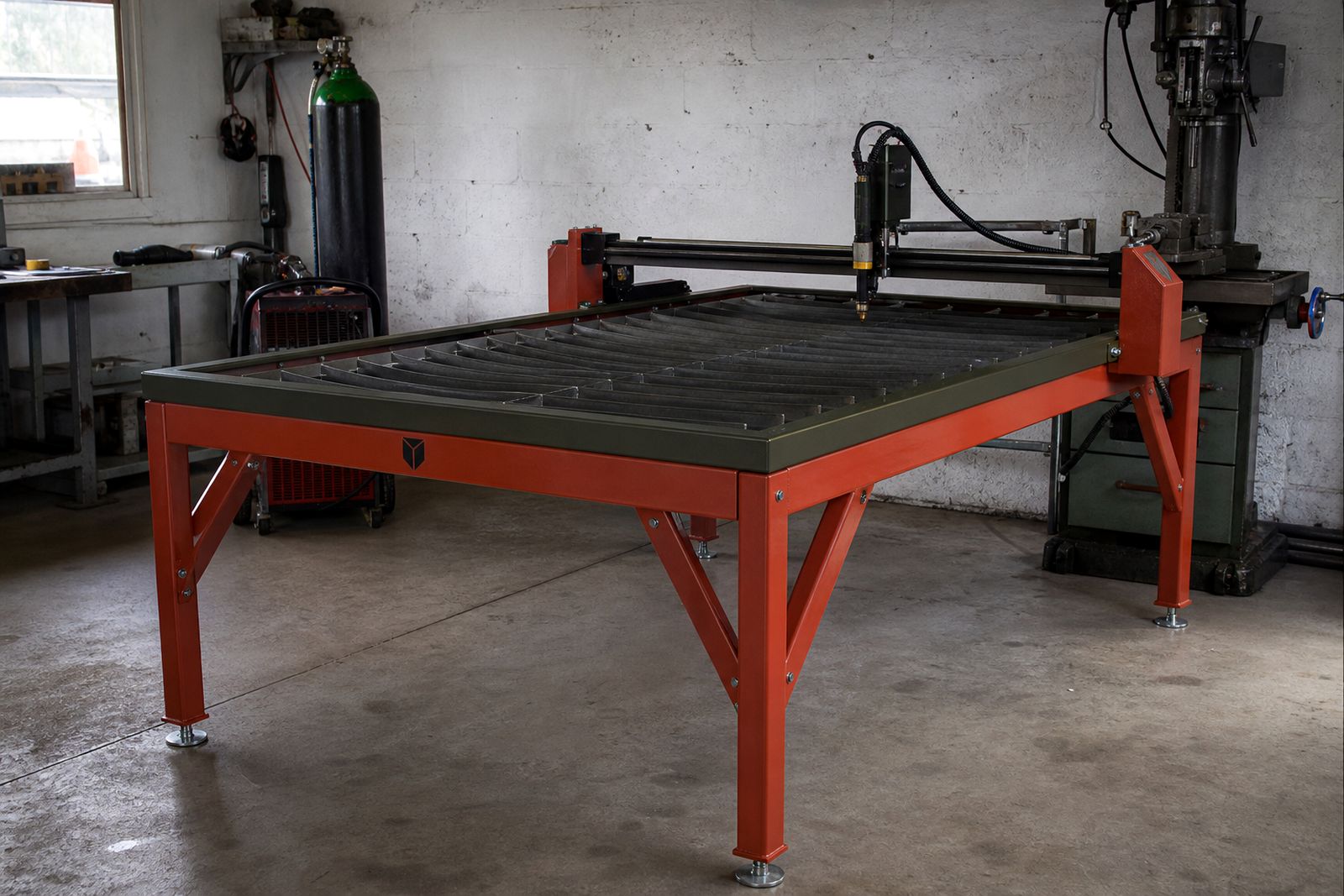
Built for smaller floors and movable setups
These tables are for workshops that need a usable cutting bed without the mass of a fixed industrial frame. The structure is lighter. The parts are easier to handle, and the table can be moved into position with ordinary workshop lifting gear instead of a large rigging plan. For Epping workshops, farm repair teams, site maintenance crews and small fabrication rooms, that matters more than flashy extras.
The format suits operators who already have a gantry concept or a portable carriage arrangement and need the table section, slats and support frame built properly. We make the table, bed, slat pack and frame components here in Cape Town. We do not supply controllers, power units or complete machines, so the table must be matched to your own cutting setup and torch travel envelope.
- Bolt-together construction for easier handling and transport
- Suitable for portable gantries and compact plasma layouts
- Flat-packed kit options for delivery beyond the Western Cape
- Replaceable slat sections to keep running costs sensible
Typical sizes and the limits that matter
Most enquiries fall into working areas that suit light plate, bracket work, sign blanks, maintenance parts and short production runs. Common footprints include compact benches for one-person shops, mid-size tables for general fabrication, and longer layouts where material is fed from one side of the bay. We can build around the cutting area you need, provided the frame still stays honest under load and the slat support spacing matches the plate thickness you expect to cut most often.
Portable tables are not meant to behave like a heavy monoblock bed. If your work includes thick plate every day, large sheets loaded by forklift at speed, or long shifts where the frame sees constant heat and impact, a heavier water table or downdraft bed is usually the better route. Lite tables do well where the jobs vary and the floor plan changes now and then.
- Compact sizes for small parts and maintenance work
- Mid-size beds for general fabrication and lighter batch cutting
- Longer frames available where access around the table is adequate
- Working limits depend on plate mass, gantry weight and loading method
Where a lite table earns its keep
On a shop floor that moves a lot, a lighter table often makes better sense than a fixed heavy bed. It suits prototype work, gate and bracket fabrication, art metal, repair shops, agricultural maintenance and training spaces where layouts may change during the year. Customers in Bellville and Paarl often ask for something they can install in an existing bay without rebuilding the whole area around it.
It is less suited to continuous high-volume cutting, thick plate dropped from height, or dirty environments where slag and scrap are left to build up unchecked. If the table will live near the coast, especially on humid Western Cape sites, finish choice and routine cleaning matter. Salt air will find every unprotected edge sooner or later.
If you are unsure whether a lite frame is enough, compare it against our water tables and downdraft beds rather than forcing a light structure into heavy service. A correct bed from the start is easier to live with than a too-light frame that needs constant patching.
Floor, power and installation notes
The table needs a level floor with enough clearance to load plate safely from the sides you intend to use. A badly out-of-level slab shows up quickly in torch height consistency and in slat wear. If the installation is upstairs, on a mezzanine or on a floor with doubtful point loading, tell us early so the frame layout can be discussed properly.
Site services depend mostly on your own gantry and cutting equipment. The bed itself does not drive the process, but your extraction plan, water handling plan if applicable, and scrap removal route should be sorted before installation day. Leave room to pull slats, clean the tray area and sweep out fines without stripping half the bay.
- Level concrete floor preferred
- Clear access for loading material and removing scrap
- Adequate space around the table for torch travel and maintenance
- Flat-packed kits need sensible unloading and assembly space
Slats, wear parts and routine care
The slats take the punishment, so they should be treated as planned wear parts rather than permanent structure. Replaceable slat packs make it easier to keep the cut area straight and clean without rebuilding the whole table. If your parts start tipping, slag starts bridging between slats, or torch crashes become more common, it is usually time to inspect the slat set closely.
Good housekeeping extends table life. Clear scrap often, do not let wet fines sit on bare steel, and check bolted joints after the table has settled into service. On coastal jobs from Cape Town through George, even indoor equipment benefits from wipe-downs and attention to chipped coating. A portable frame lasts better when it is moved carefully and lifted from the proper points, not from whatever edge is nearest.
- Inspect slats for twist, burn-back and uneven spacing
- Remove slag build-up before it distorts the support pattern
- Check bolts and frame squareness after relocation
- Store spare slats dry and off the floor
What to send with your enquiry
To price the table properly, we need the intended cutting area, the material sizes you load most often, and whether the table will stay in one place or move between bays or sites. Tell us about the gantry style you plan to use, the approximate machine mass carried above the bed, and whether you want only the frame, a full slat set, or a DIY kit for your own build.
Also include your town, access constraints and whether delivery is to Epping, elsewhere in the Western Cape, or a flat-packed shipment to another part of South Africa. If there is a sketch, send it through our contact form with the dimensions marked in millimetres. That gives us a proper starting point and avoids guessing on details that affect cost and fit-up.
What our Plasma Table customers say
Verified Google reviews
Questions we get asked
Can this table be used with any CNC plasma setup?
It can be paired with many gantry and torch arrangements, but the table must suit the travel area, loading pattern and overall mass of your own equipment. We make the table structure, not the controller or power unit.
Is a lite table suitable for thick plate production?
For occasional thicker work it may be acceptable if the frame and slat layout are sized correctly, but daily heavy plate production usually points to a heavier water table or downdraft bed.
Do you send these outside Cape Town?
We deliver across the Western Cape, including Bellville, Paarl, Worcester and George, and we can ship flat-packed kits to the rest of South Africa.
Also worth a look
Tell us about the job
Send sizes, materials and where you are through our contact form, and we will come back with the practical options.
Open the contact form