

About CNC Plasma Tables
CNC Plasma Tables is a Cape Town shop focused on one job only: building plasma cutting tables and beds. We make the table structures, slat systems and kits locally in Epping for workshops across the Western Cape and the rest of South Africa.
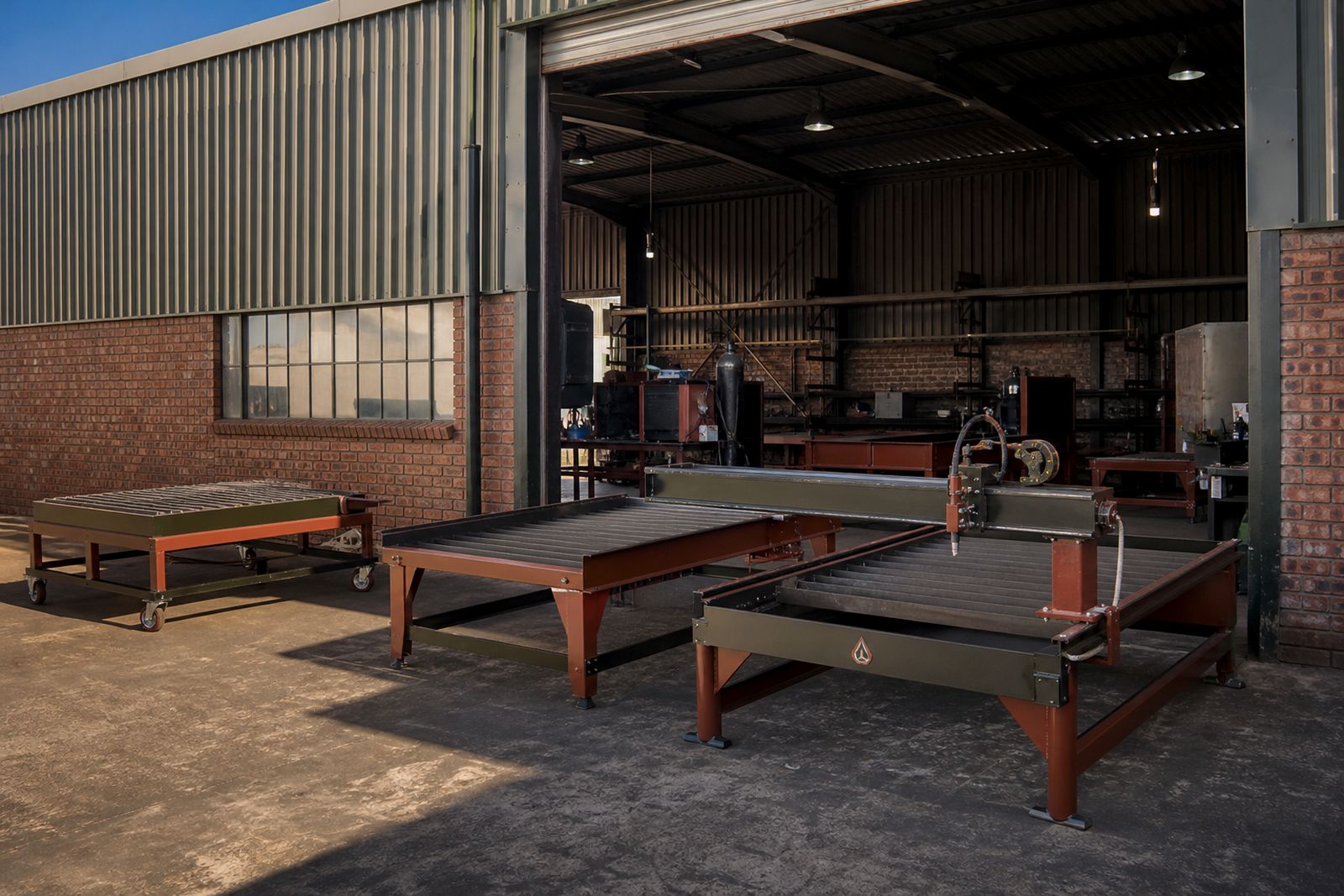
Built around plasma table fabrication
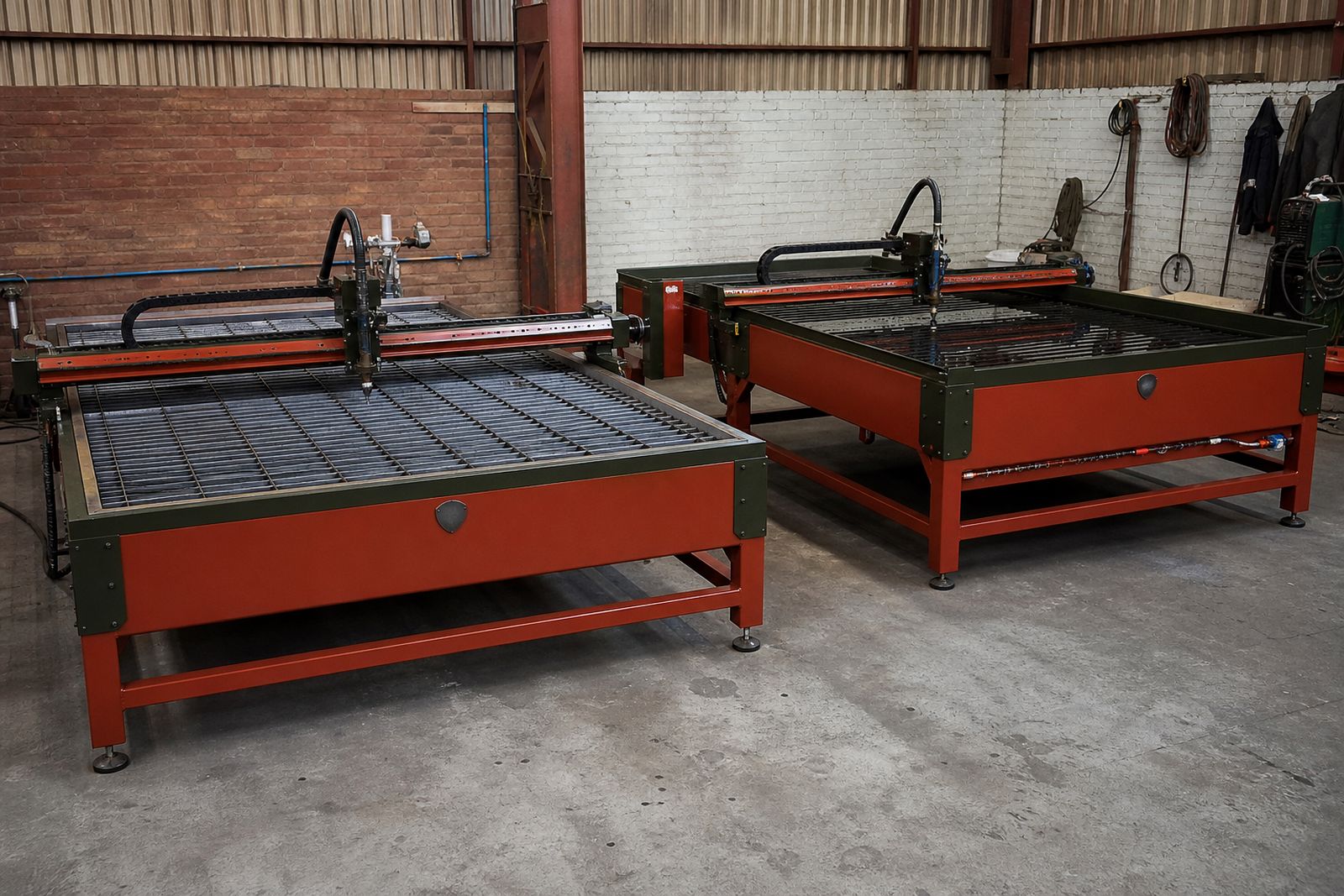
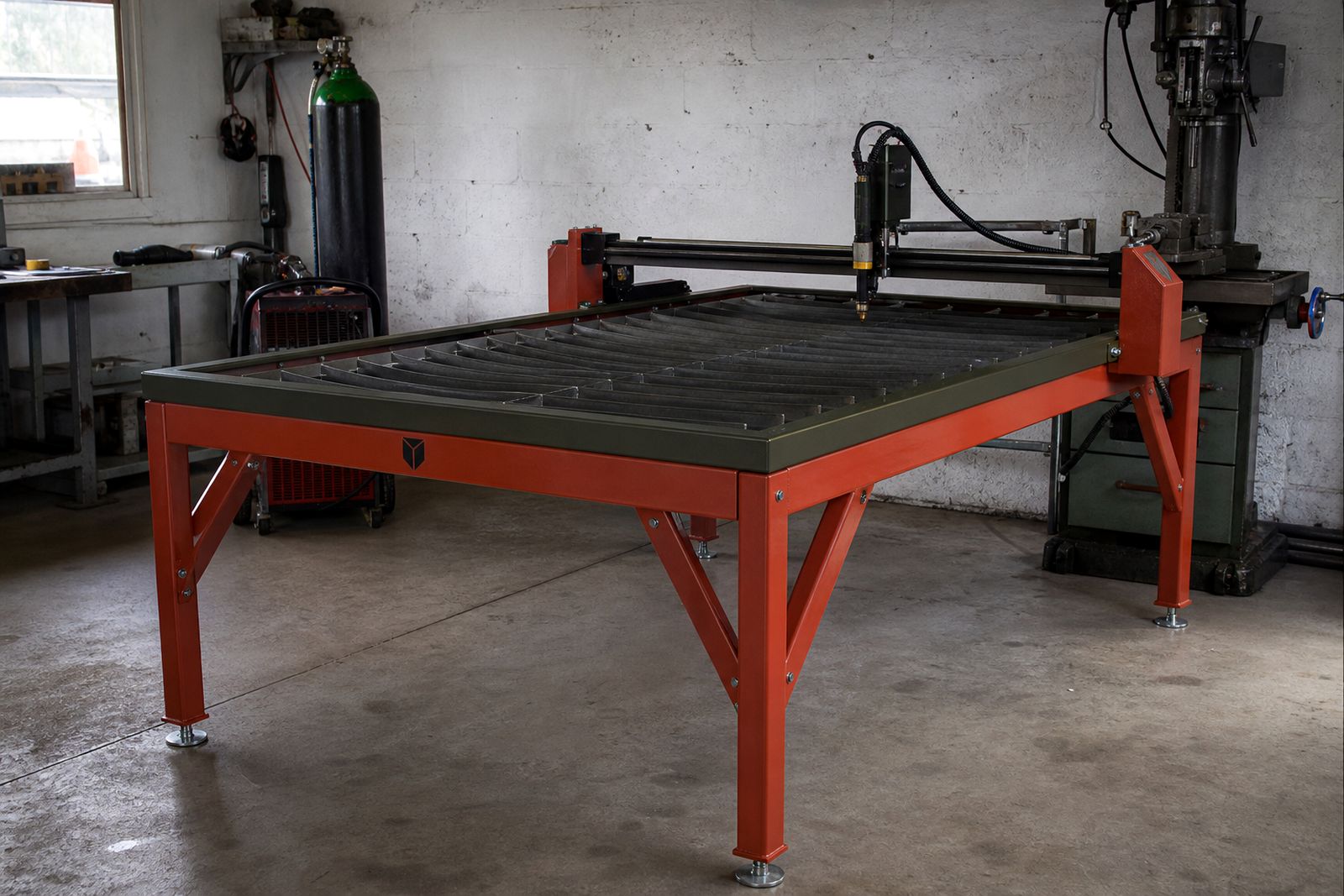
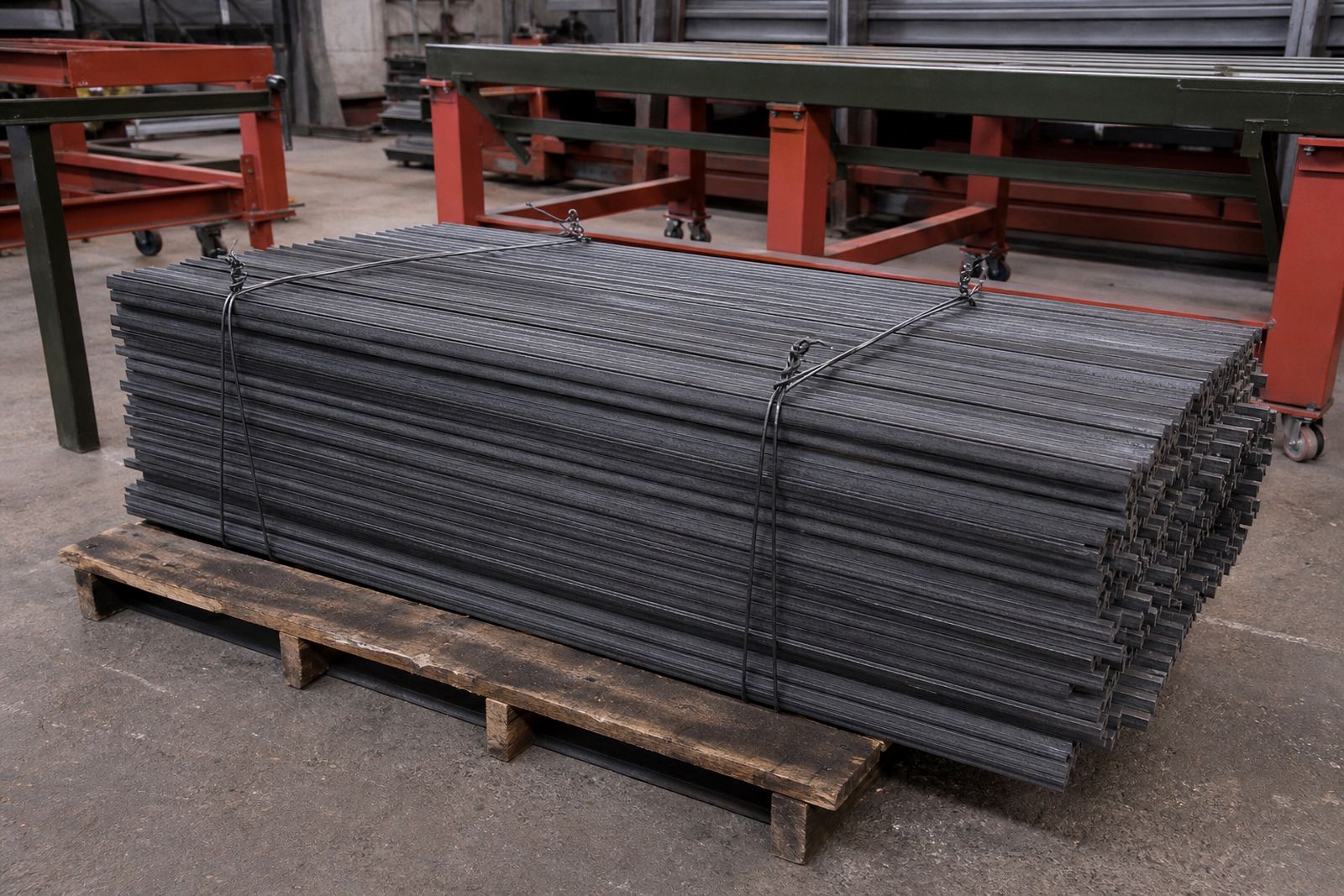
Our work stays on the mechanical side of the plasma table. We build lite and portable cutting tables, water tables, downdraft beds, replaceable slat packs, frames, support structures and flat-packed DIY table kits for workshops that want to assemble their own table on site. The parts are made in Epping, where the shop layout and tooling are set up for repeat table work and general fabrication jobs.
That narrow scope matters to buyers. A shop needing a 1530 water table kit, a portable frame for site work, or a fresh slat pack for an older bed is dealing with a team that spends its week on plasma table dimensions, tray fitment, slat spacing, frame stiffness and packable sections for transport. We do not sell CNC controllers, power units, complete machines or used machines, so the discussion stays on the table itself and how it must fit into the workshop.
Who we usually build for
The clients are typically fabrication businesses that already know what their cutting process needs from the table. Some are small welding and repair shops that need a practical bed under an existing gantry. Others are larger production workshops adding capacity, replacing worn-out support structures or moving from an older dry bed to a water tray or downdraft layout. We also deal with technical teams building a machine in-house and wanting the mechanical base supplied as a kit.
- General steel fabricators working with plate, brackets and cut parts
- Maintenance workshops handling repair work in batches
- Agricultural and engineering shops in towns such as Paarl and Worcester
- Coastal workshops around Cape Town and George where corrosion and moisture need thought
- In-house machine builders wanting a flat-packed table frame and slat system
Because we deliver across the Western Cape and ship kits countrywide, the brief often includes practical questions about door widths, forklift access, trailer loading or whether the bed must go upstairs in sections. Those details shape the frame layout more than fancy talk ever will.
How the team splits the job
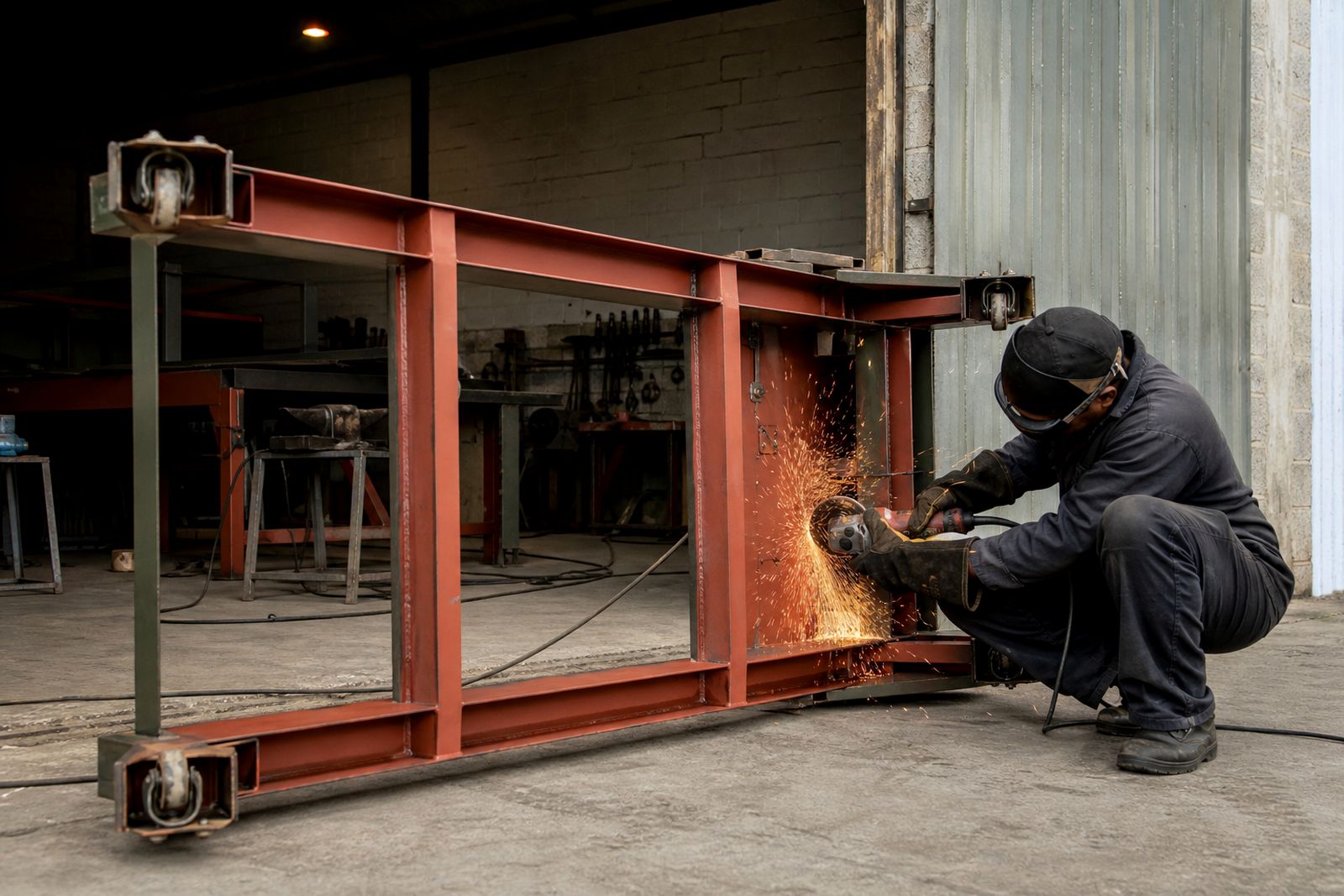
The work moves through a small production chain with clear roles. The sales contact handles the first enquiry and gathers the bed size, intended cut area, tray preference and delivery town. From there the workshop lead checks the frame arrangement, slat support pattern and any knock-down sections needed for transport or tight access. Fabricators cut, form and weld the main structures, while finishing staff prepare components for dispatch and mark kit parts so they are easier to sort during assembly.
- The sales contact gathers the job brief through our contact form
- The workshop lead checks dimensions, section lengths and slat layout
- Fabricators build frames, trays, legs and cross-members
- Dispatch staff prepare flat-packed kits, slat bundles and hardware sets
- After-sales support deals with fitment questions and replacement parts
Keeping those roles separate helps when a customer in Bellville needs a slat replacement plan while a new frame is being loaded for George. It is straightforward work, and it needs care and clean handover notes.
Our Epping shop and what leaves it
The Epping premises functions as a fabrication shop and collection point, with space for frame assembly, tray work, slat pack preparation and kit packing. Full welded beds leave as assembled sections where transport allows, while DIY kits are packed flat to travel more efficiently to other parts of South Africa. For Cape Town and the wider Western Cape, delivery planning usually considers vehicle access, lifting on arrival and where the table will be placed once offloaded.
Material choice and finish are discussed in practical terms. A water table in a coastal area may need closer attention to cleaning routines and slat replacement, while an inland workshop may place more emphasis on dust handling and extraction tie-in at the bed. We keep the conversation tied to operating conditions and workshop use.
From first enquiry to installation planning
Most jobs start with a brief sent through our contact form. The useful information is usually the cutting area required, whether the buyer wants a water table, downdraft bed, portable frame or DIY kit, and the town where the unit must be delivered. If there is an existing gantry or rail set to match, dimensions and mounting points help avoid rework later.
Once the requirement is clear, the team works through the mechanical details of the table build. That can include leg height, tray depth, slat pack format, removable sections, levelling needs and how the frame will move through the customer’s premises. For kit jobs, packing and labelling matter almost as much as fabrication because parts still need to make sense after a long trip. On larger beds the planning stage is where awkward problems are usually sorted, before steel is cut and welded.
When the table is ready, it is prepared either for delivery in the Western Cape or for flat-packed shipment further afield. If the order is for slat packs or spare sections only, those items are bundled to match the bed size and support layout discussed at the start.
Support after the bed is in use
Aftercare on this kind of product matters. Workshops often need replacement slats after hard use, and some need advice on whether a worn section can be swapped out or whether the full pack should be changed. Others get in touch when they are adding extraction to a downdraft bed or adjusting workshop flow around a portable table. The support stays centred on the fabricated table components we make.
We also help existing owners with practical spares planning, especially where a shop cannot afford a stoppage because one slat row has folded over or a tray section needs attention. If a customer wants to expand from a smaller bed to a larger structure later, the discussion starts with the floor space, handling equipment and the real work being cut there. It is a narrow trade, and in a busy fabrication shop those details matter a lot.
Questions we get asked
Do you sell complete CNC plasma machines?
We make the table structures, beds, slat packs, frames and DIY kits only. We do not sell controllers, power units, complete machines or used machines.
Can you deliver outside Cape Town?
We deliver across the Western Cape, including towns such as Bellville, Paarl, Worcester and George, and we ship flat-packed kits to the rest of South Africa.
What should I send with an enquiry?
The most useful starting details are the bed size or cut area, the table type you need, your town, and whether the table must match an existing gantry or fit through tight access points.
Also worth a look
Tell us about the job
Send sizes, materials and where you are through our contact form, and we will come back with the practical options.
Open the contact form