

DIY table kits
Our DIY table kits are cut and numbered in Epping for workshops that want to build their own plasma bed with less layout time on the floor. The kits cover the included parts, the workshop uses that suit each type, and the choices that matter before steel is cut.
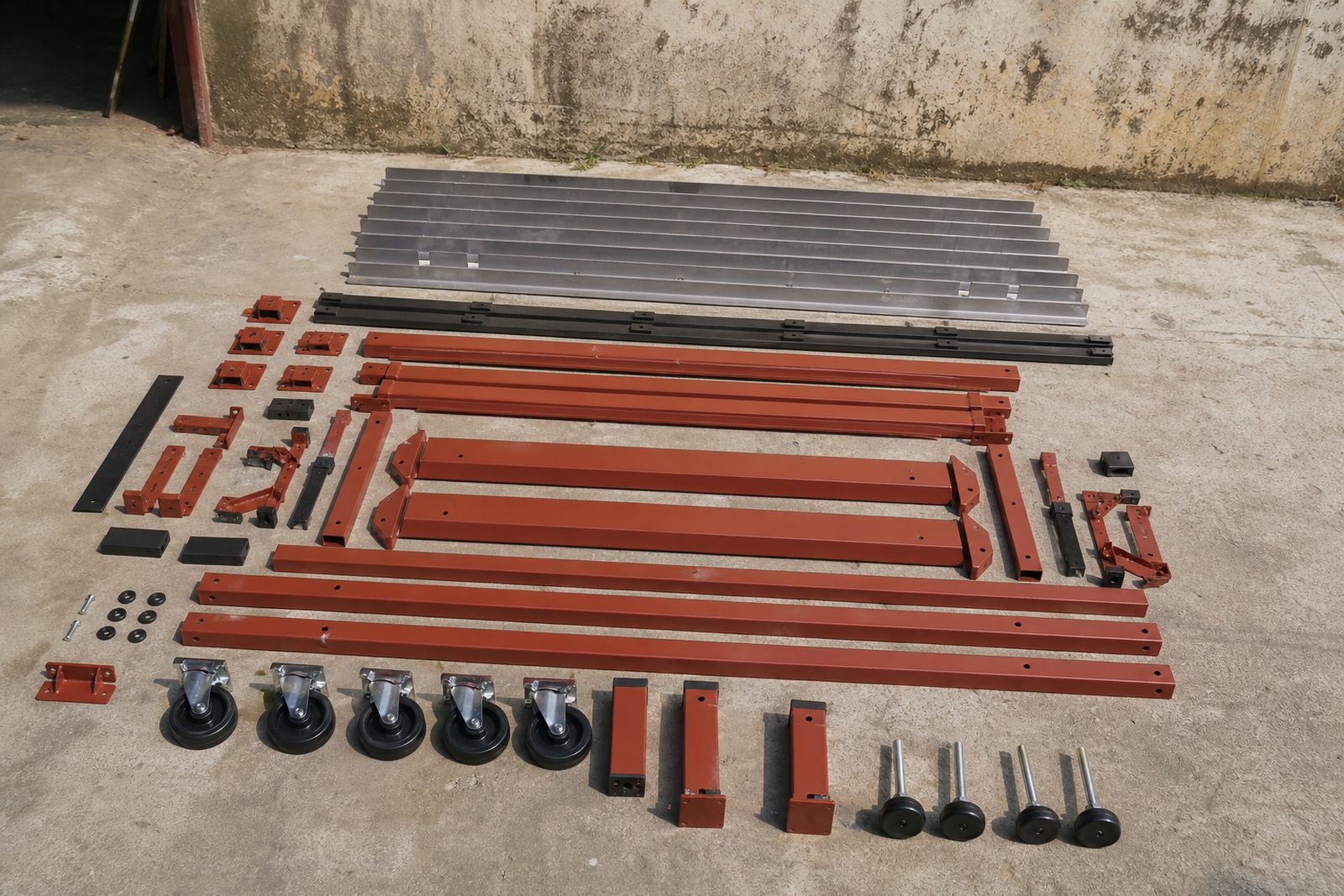
Kits made for workshop builds
A DIY table kit suits a shop that has welding capacity, its own preferred gantry arrangement, or a frame plan already in hand. We cut the steel parts for the table structure, tab and slot details where needed, and number the pieces so assembly on the floor is more straightforward. That saves marking out time and helps keep diagonals, slat spacing and support positions where they should be.
These kits are for the bed and frame side of the job. We do not supply CNC controllers, power units, complete machines or used machines. If your workshop is building a full cutting system, the kit becomes the fabricated base that the rest of your chosen hardware fits onto.
What the kit usually includes
Most kits are prepared as flat-packed steel components for transport and workshop assembly. The exact pack depends on table size and bed style, but the aim is consistent parts that arrive ready for welding, bolting or final dressing according to the build method.
- Laser-cut frame members and brackets
- Numbered parts to match an assembly layout
- Cross supports, slat carriers and related bed pieces
- Replaceable slat components where that format is specified
- Water tray parts or duct-ready bed sections on relevant models
- Flat-packed bundles for Western Cape delivery or national shipping
Workshops in Bellville, Paarl, Worcester and George often choose flat-packed kits because they are easier to move through a smaller receiving area and simpler to store before fabrication starts.
Picking the right route for your floor
The main choice is usually between a water table kit and a downdraft style bed, then between a lighter portable frame and a heavier fixed structure. The right answer depends on plate thickness, the amount of daily cutting, extraction planning and how often the table may need to be moved inside the shop.
- Choose a water table kit where spark control and fume suppression at the bed matter most.
- Choose a downdraft bed where you already have extraction planning and want a dry cutting area below the plate.
- Choose a lite or portable layout where floor changes happen often or access into the workshop is tight.
- Choose a heavier frame where the table will stay put and carry larger sheets more often.
- Choose replaceable slat packs where frequent cutting puts more wear on the top support parts.
If you already know the bed size you want, the next check is sheet handling. A workshop cutting mostly small blanks can live with a more compact footprint, while a shop loading full sheets needs room around the table for lifting and clearing offcuts. It sounds obvious but it is missed often.
Water table kit or dry bed
Water tables are popular where workshops want a practical bed that helps with smoke and fine dust close to the cut zone. They also help catch small drop pieces and reduce the amount of hot debris landing under the table. A dry bed or downdraft arrangement can suit a floor that is already set up for ducting and fan placement, especially where operators prefer not to manage water levels and tray clean-out.
Coastal humidity in Cape Town can influence the choice. A water tray needs sensible housekeeping around standing water, dross build-up and plate residue, while a dry bed needs proper extraction planning to stay pleasant to work around. Neither option is universal, and most shops already know which maintenance job they would rather deal with.
Assembly, fit-up and workshop prep
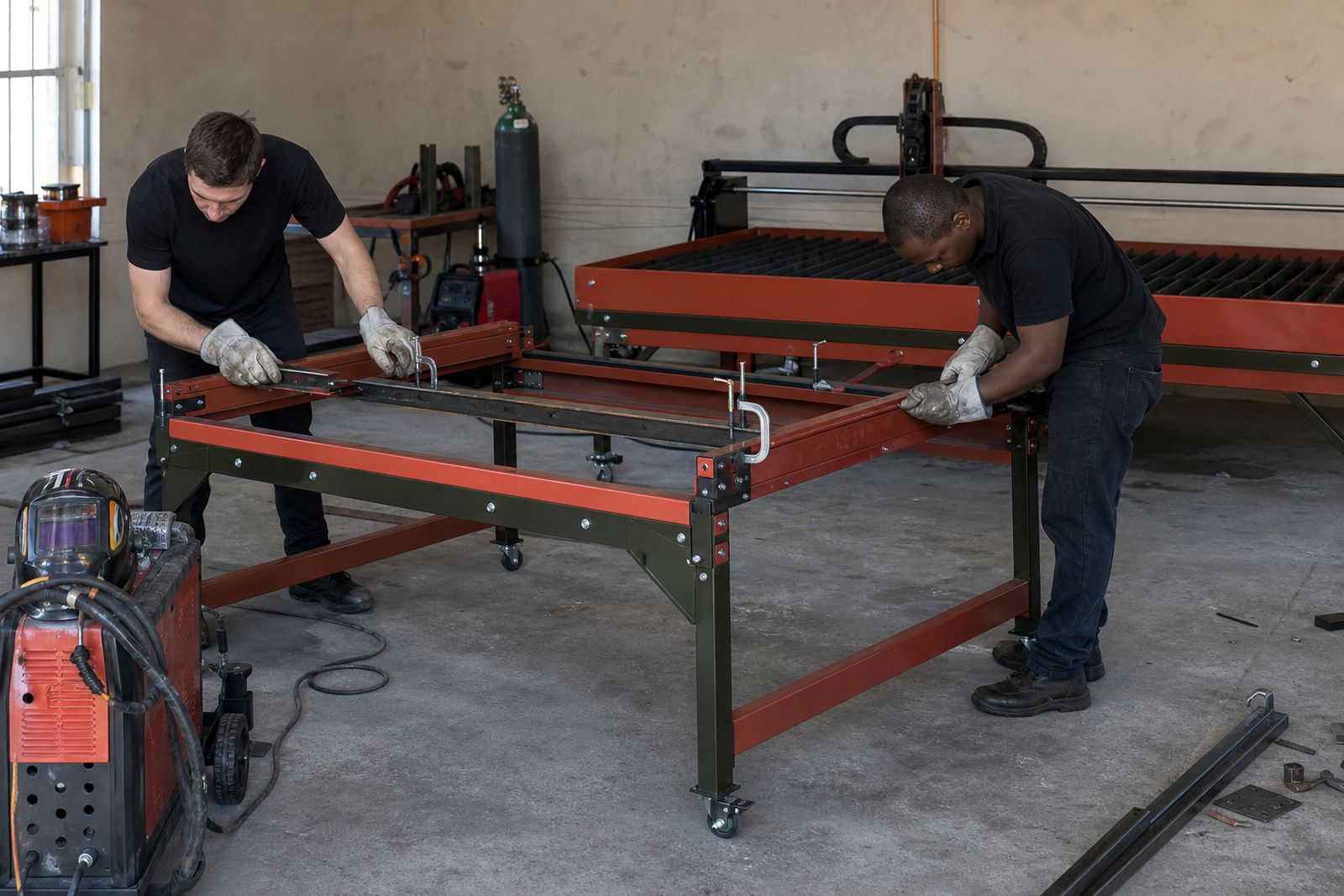
Because the parts are numbered, the build starts with sorting and laying out bundles before tack-up. A level floor, clamps, measuring tapes, squares and enough room to turn sub-assemblies make a visible difference to the finished table. On larger beds, it also helps to decide early whether the unit will be welded in one place or moved in stages through the shop.
- Check floor level across the intended assembly area
- Plan lifting for longer side members and tray sections
- Leave access around all four sides during tack-up
- Keep slat packs separate from frame parts to avoid mix-ups
- Allow space for final grinding, coating and installation
For workshops outside the Western Cape, flat-packed kits are usually the most practical way to ship bed components across South Africa. If you want us to quote on a specific size or compare a water tray layout to a dry bed layout, send the intended cutting area, material range and delivery town through our contact form.
DIY kits within the product range
DIY kits cover the fabricated base for workshops that want to handle their own assembly. Water tables, downdraft beds, portable cutting tables, slat packs and frame structures are also available in the range for shops comparing a self-build route with a finished bed made in our Epping shop.
Some workshops start with a kit because they have fabrication capacity in-house and want control over the final assembly sequence. Others prefer a completed bed and only buy slats or spare parts later. Both routes are normal, the best one depends on floor space, labour and how much of the build you want to handle yourself.
Questions we get asked
Do the DIY kits include CNC controls or the cutting power unit?
The DIY kits cover the table, bed and structural parts only. We do not sell CNC controllers, power units, complete machines or used machines.
Can you ship a flat-packed kit outside Cape Town?
We deliver across the Western Cape and can ship flat-packed kits to the rest of South Africa.
What should I send when asking about a kit?
Send the cutting area you want, whether you prefer a water table or dry bed, your town, and any loading or floor constraints through our contact form.
Tell us about the job
Send sizes, materials and where you are through our contact form, and we will come back with the practical options.
Open the contact form