

Water table or downdraft bed?
Most shops ask this question too late, after the floor plan is fixed and the first extraction quote lands on the bench. The right answer usually sits in four things: dust in the air, rust on the plate, cutting noise and the rules attached to your building.
Start with the room
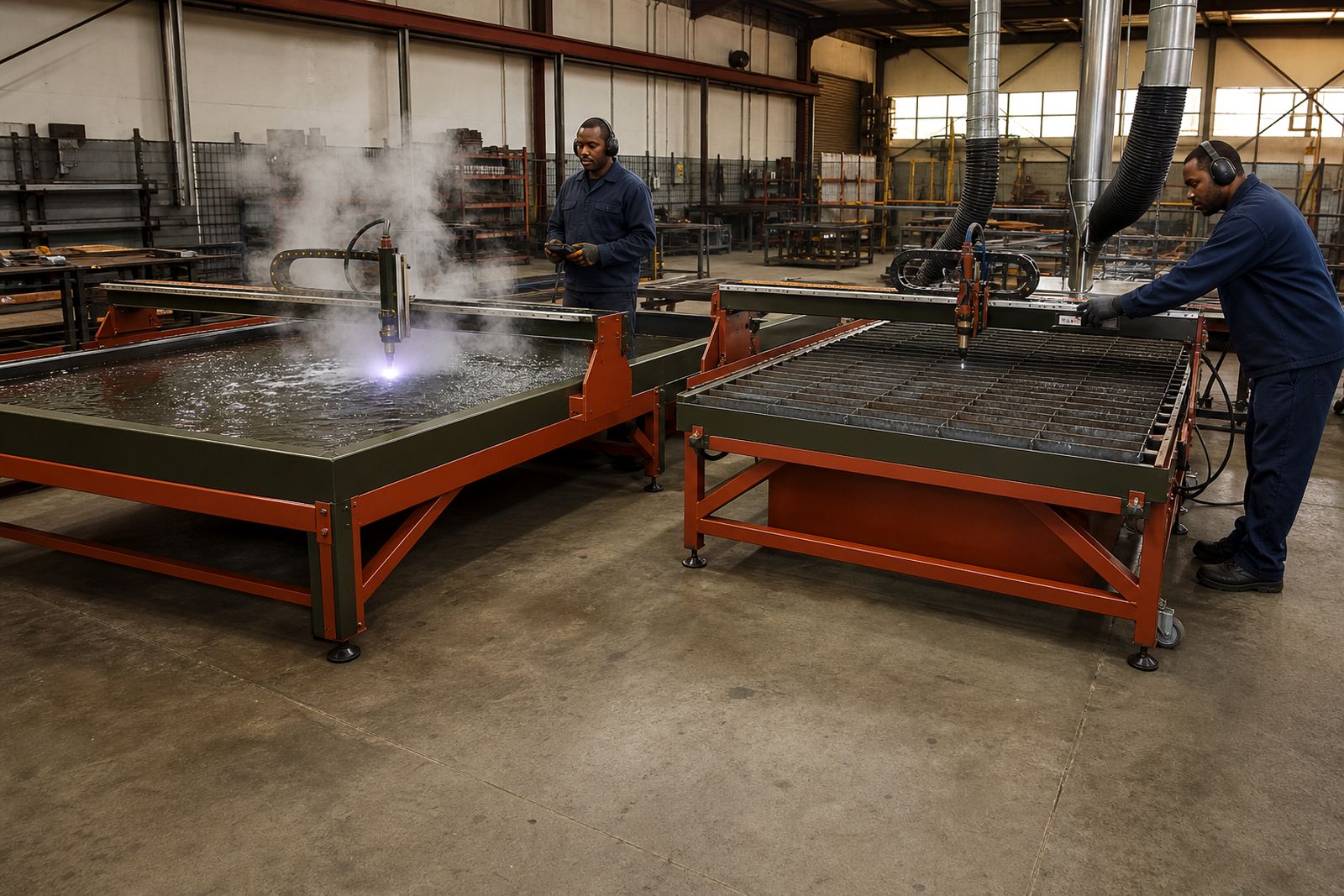
A plasma bed sits inside a real workshop with doors, neighbours, roof height, prevailing wind and a landlord or body corporate who may already have opinions about fumes and ducting. That is why the first choice is rarely about plate thickness alone. A water table controls airborne dust at source by dropping hot particles into water. A downdraft bed pulls smoke and fine dust downward so it can be filtered or discharged through a planned extraction route.
If your shop is in Epping, Bellville or an older mixed industrial block, building constraints often decide the direction before the cutting programme does. Some units have easy wall access for ducting and enough external space for extraction plant. Others do not. In a tighter unit, a water table may solve more problems with fewer additions, but it brings its own maintenance and corrosion considerations.
- Check whether you may penetrate walls or roof sheets for ducting.
- Measure clear height under lights, trusses and roller doors.
- Look at where smoke would discharge in relation to neighbouring units.
- Consider floor cleaning, drainage and access for plate loading.
Dust and fume are usually the deciding factor
For many South African workshops the biggest practical issue is airborne mess. Fine metal dust does not stay politely near the bed. It settles on toolboxes, stock racks, fan housings and vehicle paintwork, and it moves farther than most teams expect when doors are open in the afternoon wind. A downdraft bed can be very effective, but only when extraction volume, duct sizing and filter maintenance are matched to the bed size and the kind of work being cut. Weak extraction becomes expensive background noise with dirty air still hanging in the shop.
A water table is straightforward on this point. Much of the hot particulate is knocked down into the pan before it gets the chance to spread. That can make a real difference in smaller workshops where fabrication, fitting and packing happen in the same room. You still deal with steam, splash and sludge, and some smoke remains part of the job.
- Choose water when keeping dust out of the general shop matters most.
- Choose downdraft when you already have a planned extraction route and space for equipment.
- Remember that poor extraction design can leave you with both dust and extra running cost.
Rust, water care and the parts that wear first
Water tables ask for routine attention. If the water level is wrong, slats and cut parts suffer. If the chemistry is ignored, corrosion picks up pace on slats, pans and offcuts left standing overnight. Coastal humidity around Cape Town can already be hard on bare steel, so stagnant water only adds to the problem. A shop that is disciplined about housekeeping can run a water bed very neatly. A shop that leaves scrap soaking for days will see rust faster and complain about the table when the issue is really maintenance.
Downdraft beds avoid the standing-water question entirely, but they shift the wear pattern elsewhere. Slats still take heat and spatter. Ducting accumulates residue. Filters, spark control and fan systems need inspection and cleaning. The bed itself may stay drier, yet the extraction side becomes the maintenance story.
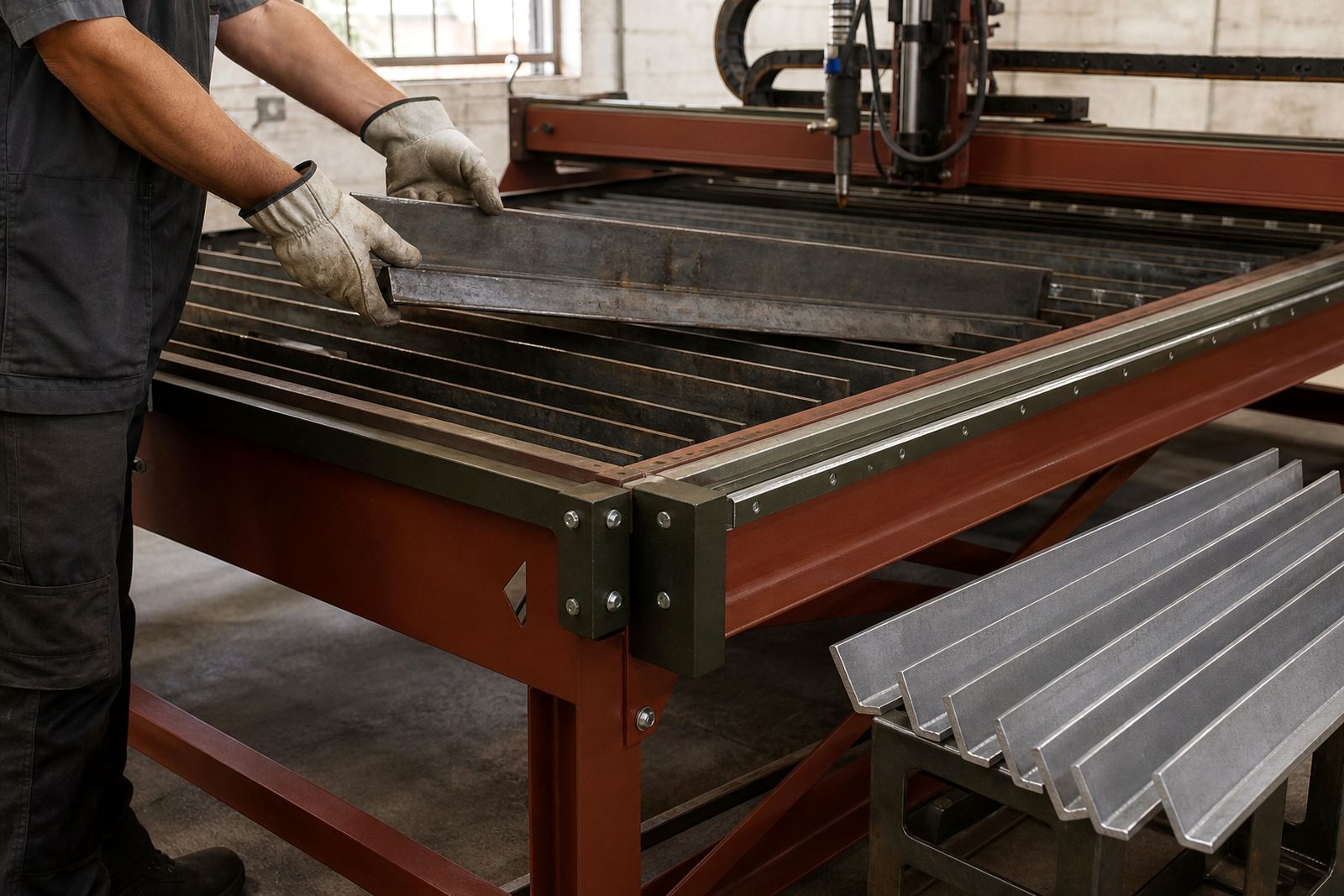
Replaceable slat packs help whichever route you take because the wear item is kept separate from the main frame. That makes the bed easier to keep in service without major rebuild work, which matters in a busy fabrication week.
Noise changes the working day more than people expect
Teams often focus on cut quality and ignore sound until the machine is running. A downdraft bed tied to extraction can be noticeably louder in a closed unit, especially where fan noise reflects off hard walls and roof sheeting. That constant background sound adds up across a full shift. A water table can soften part of the cutting noise by catching the sparks and reducing some of the harshness under the plate, although it is silent by no means.
This matters in shared industrial parks where complaints travel quickly. If adjacent units are doing assembly, packaging or office-based work, extraction noise may become just as sensitive as visible smoke. In one Western Cape workshop cutting mild steel brackets for agricultural repairs, the team moved from an extraction-first plan to a water bed after the practical noise estimate and roof-duct route both looked worse than expected. The cut work was routine. The building layout made the decision.
A South African workshop example that makes the choice clearer
Picture a medium-sized unit in George with a roller shutter facing the wind and a small yard shared with two other tenants. The shop cuts light to mid-weight plate, with moderate production duty, and also does welding, packing and dispatch from the same floor. There is no easy place for a large external extraction setup, and the body corporate is strict about anything visible on the roofline. In that case a water table usually makes more sense. Dust stays better controlled inside the bed, installation stays simpler and the rest of the floor stays cleaner.
Now picture a larger fabrication space in Worcester where cutting runs for long periods and there is a clear external service area for extraction equipment. The workshop already separates cutting from assembly and has room to manage ducting properly. There, a downdraft bed can be the better fit because the shop can support the extraction layout and maintenance that make the system worthwhile.
- Smaller shared unit with limited roof or wall access: water often wins.
- Larger standalone workshop with planned extraction infrastructure: downdraft often suits better.
- Mixed-use floor where dust drifts onto other work: water usually causes fewer headaches.
- High-duty cutting area with enough space for filtration equipment: downdraft can pay off.
How to decide before steel is on the slats
If you are still comparing options, start by listing the restrictions before the preferences. Measure the bed footprint, loading space and route for material in and out. Then add the workshop factors people forget, such as neighbours, cleaning time, corrosion risk and municipal or park rules on discharged air. Once those are written down the answer is often less dramatic than expected.
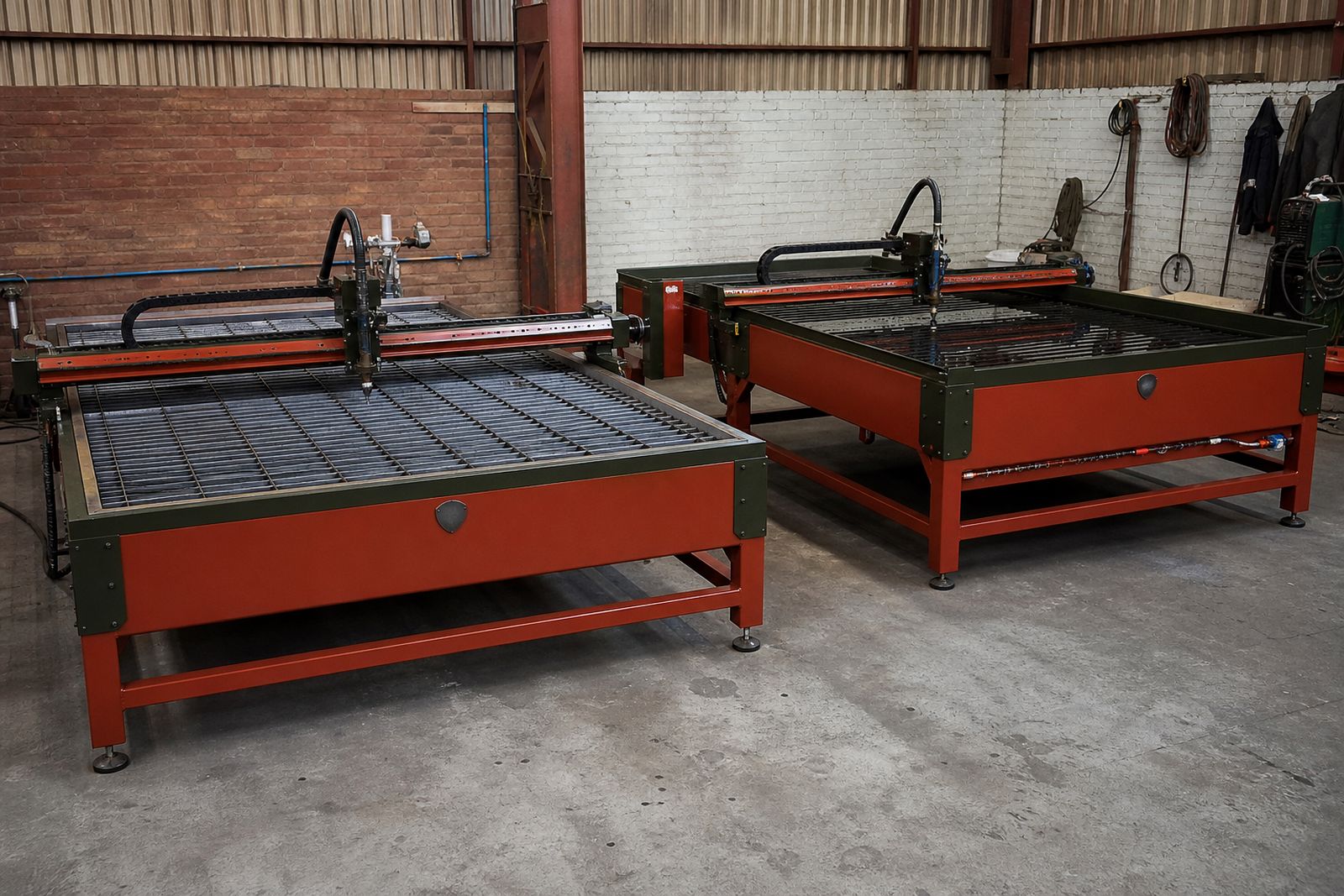
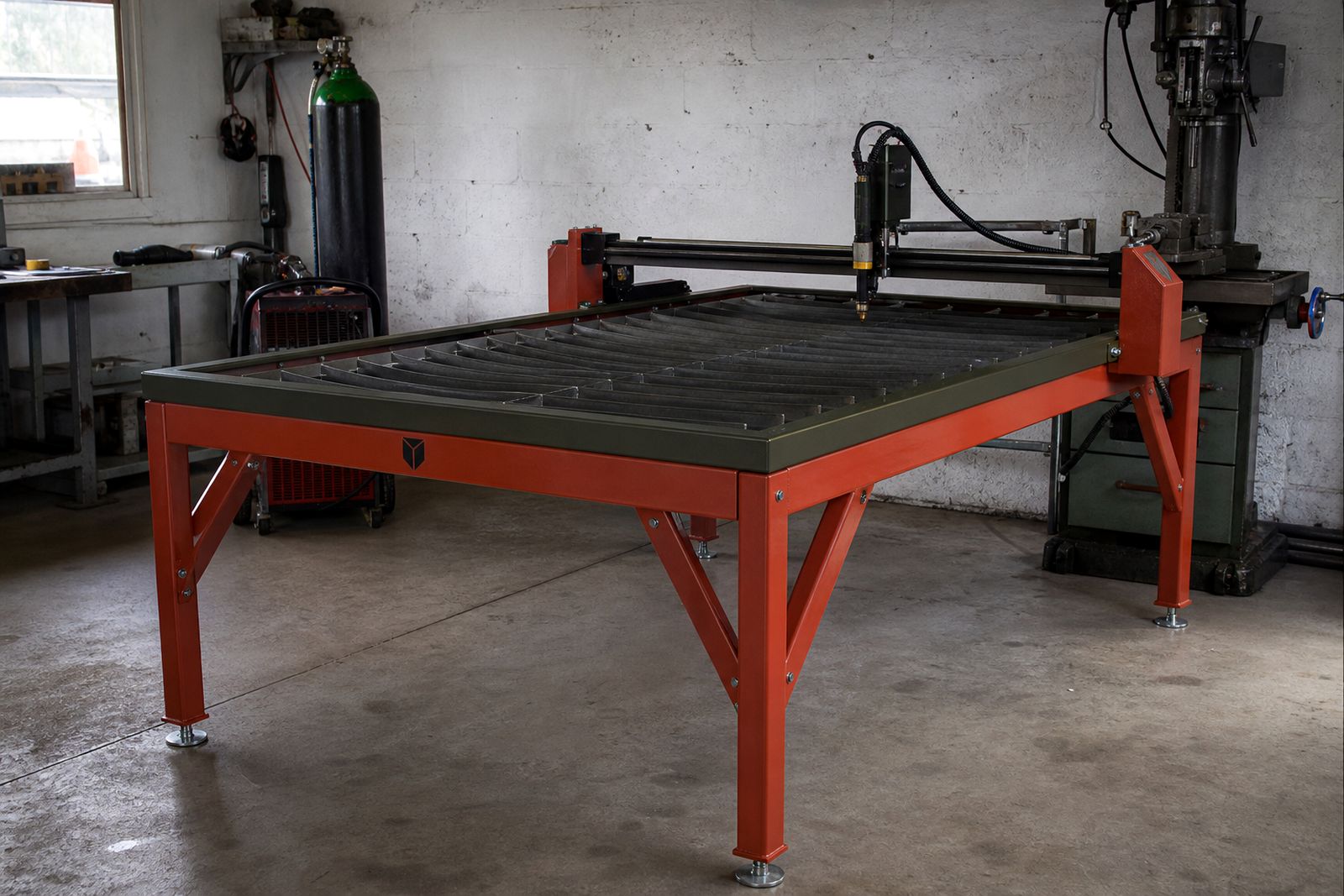
We make water tables, downdraft beds, lite and portable cutting tables, frames, slat packs and DIY kits from Epping in Cape Town, with delivery across the Western Cape and flat-packed kits sent further afield. Our range covers beds only. Controllers, power units and complete machines are sourced separately, so the bed choice can be discussed on its own merits without mixing it up with electronics. If you want to compare layouts, sizes or a DIY route for your workshop, send the details through our contact form and include your town, intended plate size and whether the unit has any extraction or building limits. That saves a lot of back-and-forth later and keeps the recommendation grounded in the actual shop and its constraints.
Questions we get asked
Is a water table always better for dust?
In many smaller workshops a water table manages dust better because the sparks and particulate are knocked down into the water before they spread through the room. It still needs cleaning and water care, but airborne mess is usually easier to manage.
Does a downdraft bed rust less than a water table?
The bed itself avoids standing water, so one corrosion source falls away. The trade-off is that extraction components need their own maintenance, and slats still wear from heat and cutting debris.
Can I switch from one style to the other later?
It depends on the frame layout and how the table was planned from the start. Choosing the right approach early is far easier than retrofitting around floor space, ducting and loading access later.
Also worth a look
Tell us about the job
Send sizes, materials and where you are through our contact form, and we will come back with the practical options.
Open the contact form