

When to change your slats
Slats do not fail all at once. Most packs give clear signs before cut quality, sheet support and cleanup start slipping.
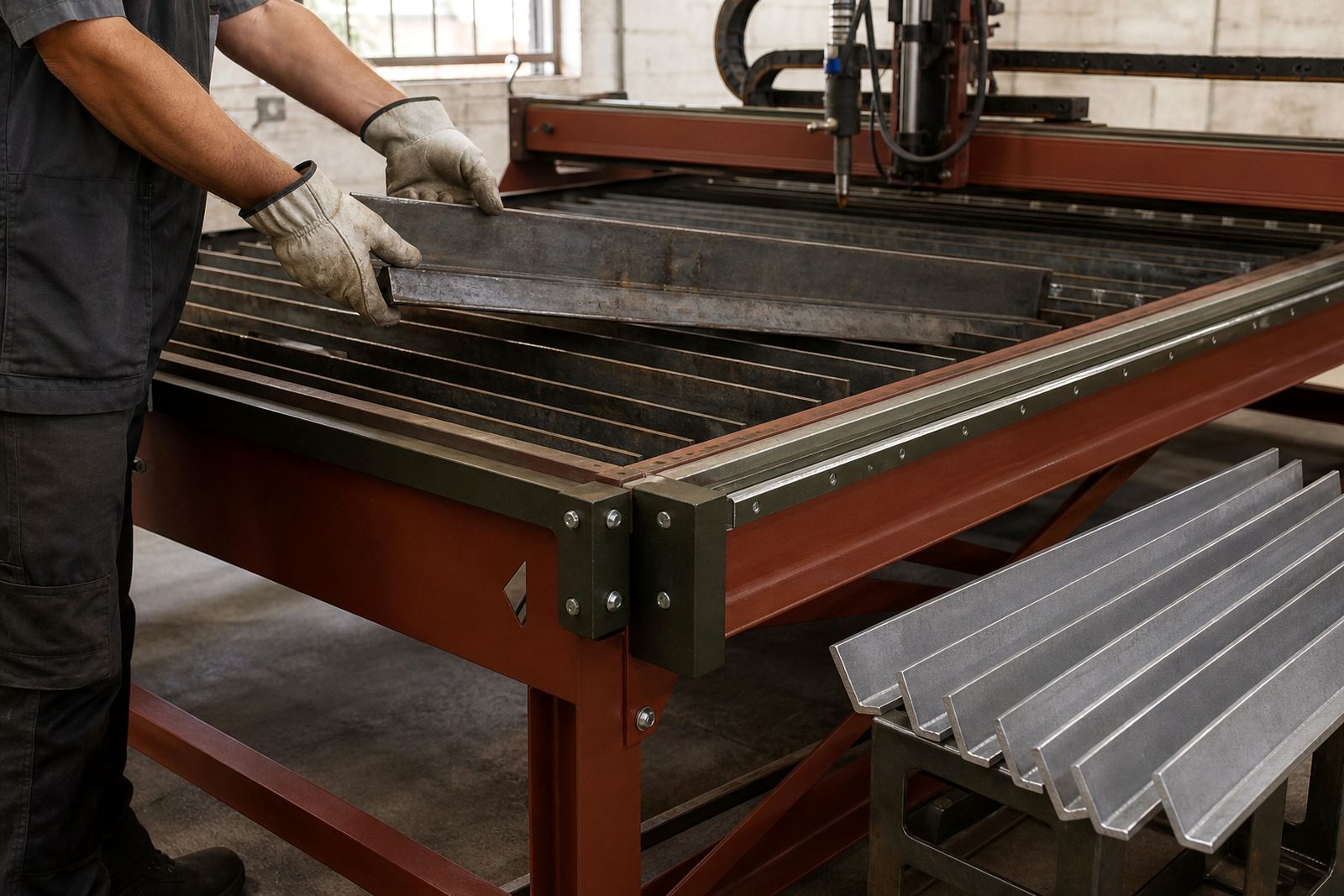
The first signs that a slat pack is near the end
On a busy plasma table the slats usually wear unevenly. The centre lanes take more starts, more heat and more dross than the outer lanes, so a pack can look acceptable from one side while the working area is already tired.
Look at the top edges first. A fresh slat presents a fairly even line that supports sheet cleanly. A spent slat shows a ragged crown, melted notches, heavy dross build-up and sections that have thinned down enough to flex under plate. If small parts start tipping sooner than they used to, the slats are telling you something.
- Top edges are rounded off or badly undercut.
- Dross has built into thick lumps that are hard to chip away.
- Several slats are bowed, leaning or sitting lower than the rest.
- Thin sheet no longer lies evenly across the bed.
- Cut parts drop between slats earlier than expected.
- You are spending too much time knocking slag off before the next job.
Cut quality changes that point back to the bed
Not every rough cut comes from consumables or settings. Once slats are badly damaged they affect support under the plate, and that changes how small offcuts fall away and how heat moves under the work. On water tables you may also find that built-up dross starts pushing material slightly proud in spots.
Watch for repeated trouble in the same lanes of the table. If one strip down the middle gives more tip-ups, more collisions with cut parts, or more pieces that snag on the underside, the issue may be local slat wear rather than the full bed. That distinction matters because sometimes you can rotate or swap only the worst section and carry on a bit longer.
- Tabs break where the sheet was not sitting flat.
- Small parts catch on jagged slat tops during rapid moves.
- Repeated tip-up happens in the same cutting zone.
- Parts show extra marking underneath from unstable support.
- Operators avoid one area of the bed because it causes trouble.
An inspection routine before you order replacements
After the table has cooled, clear loose offcuts and scrape the worst slag from the top line of the pack. Stand at one end and sight across the slats so you can pick out low sections and severe leaning. Then walk the full length and mark the worst pieces with chalk or paint marker.
If your slats are removable in sections, pull a few from the hardest-used area and compare them with pieces from the quieter outer lanes. Thickness loss near the top third is the key thing to judge. A slat can still look serviceable lower down while the working edge is already too far gone. It sounds obvious but this is often missed.
- Check the centre lanes first, then the lead-in side used most often.
- Compare top-edge thickness and overall appearance.
- Look for heat-washed gaps, cracks and long melted scallops.
- Note whether the frame slots are filling with slag as well.
- Count how many slats are poor, fair and still usable.
How to rotate slats and stretch a bit more life from them
Rotation only helps if the slat still has enough metal left to support work safely. If the top edge is badly eaten away for a long section, replacement is the better route. Wear is often local, especially in the middle lanes. You can often get more use by moving pieces around the bed.
Start by shifting the least worn outer slats into the main cutting zone. Move the centre slats to the edges if they are still straight enough, or turn them end for end if one side has taken most of the starts. Some workshops also flip slats where the design allows it, but only if the lower edge is clean, straight and seats properly in the frame. Do not force a bad fit just to save one more week.
Keep the bed level while you rotate. Mixed heights cause their own trouble and can be worse than leaving a uniformly worn pack in place for a short run of simple parts.
- Move the best outer slats into the heaviest cutting lanes.
- Turn individual slats end for end when wear is concentrated on one half.
- Flip only where the profile and seating method allow it.
- Group similar-condition slats together so support stays even.
- Remove any piece that is cracked, heavily bowed or too thin at the crown.
When rotation is no longer worth the labour
There is a point where reworking the pack costs more in stoppages than fitting new slats. If operators are scraping, shuffling and re-levelling the same bed too often, the table is asking for a proper reset. This is especially true on production jobs where repeatability matters more than squeezing every last hour from worn steel.
A fresh slat pack usually makes the whole bed easier to run. Sheets sit flatter, offcuts clear more predictably and cleanup between nests drops. If the frame and supports are still in good order you may only need new slats. If the slots, rails or structure have been damaged by years of heat and slag, inspect those parts at the same time so you do not fit new slats into a tired base.
- More than a few slats are beyond rotation and must be discarded.
- The pack cannot be levelled without constant adjustment.
- Support for thin sheet is patchy across the working area.
- Downtime from cleaning and reshuffling keeps interrupting jobs.
- You are marking fresh plate on sharp, unstable slat tops.
Ordering the right replacement set
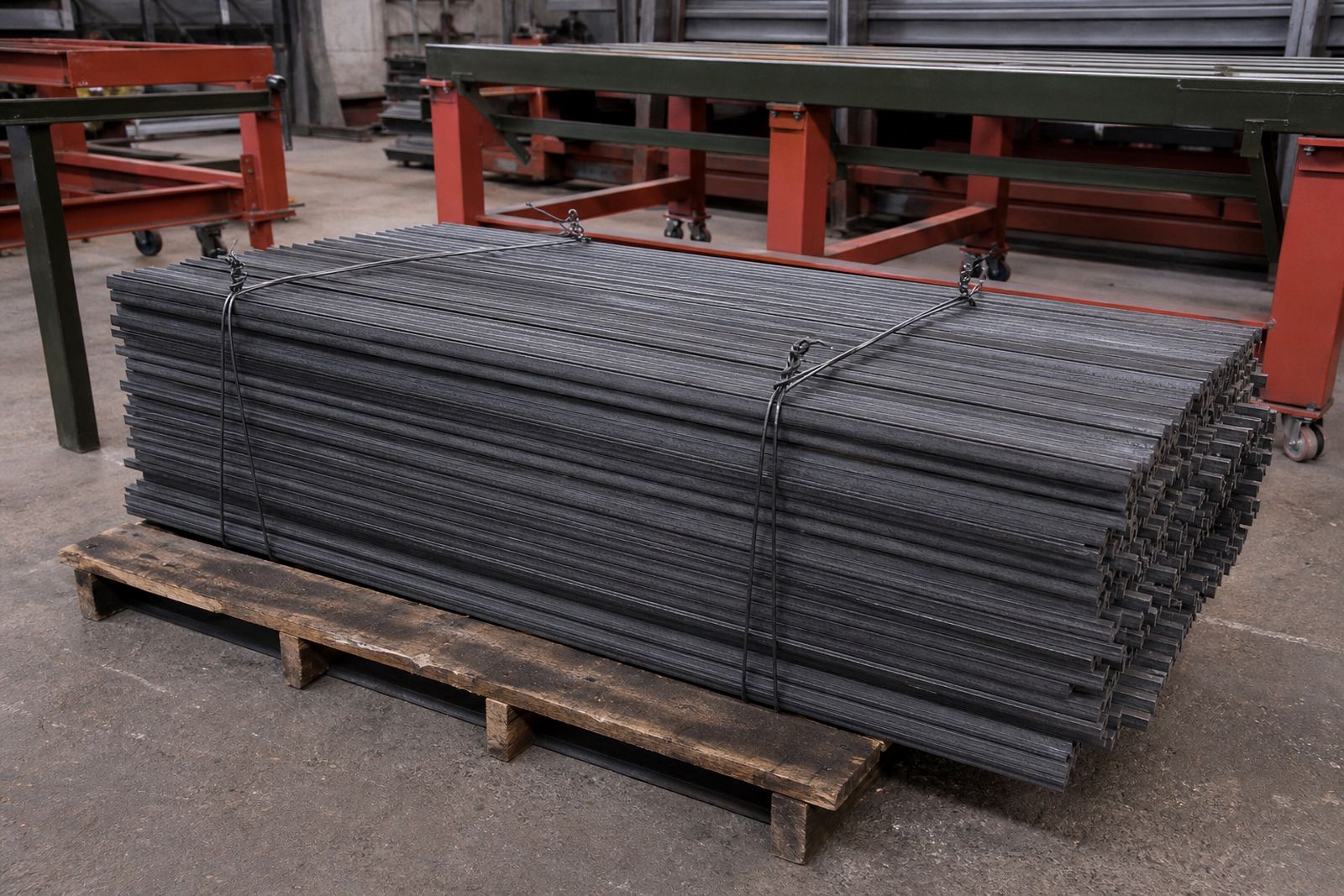
Before you ask for replacements, note the bed size, slat count, slat spacing and whether the table uses removable packs or single loose pieces. A sketch with a few measurements saves guesswork and helps match the set to your frame. For workshops using our tables and kits, we can supply replacement slat packs and related bed components made for the layout in question.
If you are unsure whether your current set can be rotated once more or should be replaced outright, send clear photos of the full bed and a close view of the worst area through our contact form. Include the working size, where the wear is concentrated and whether the table is a water bed or downdraft bed. That gives us enough to point you to the right slat pack or spare parts without filling the thread with back-and-forth.
For workshops in Epping, Bellville, Paarl, Worcester and George, bed parts can be arranged from our Cape Town base. Flat-packed kits and components also move to the rest of South Africa.
Questions we get asked
Can I keep cutting with only a few damaged slats?
Keep cutting only if the damage is isolated and the sheet still sits safely, but mark those positions and rotate or remove them soon. Once small parts begin tipping or the sheet rocks on the bed, stop patching and sort the pack properly.
How often should slats be inspected?
Inspect them as part of normal bed cleanup, with a closer check whenever dross starts building faster, parts snag more often or cut support feels uneven. Heavy production tables need a sharper eye than occasional-use workshop beds.
Do water tables and downdraft beds wear slats differently?
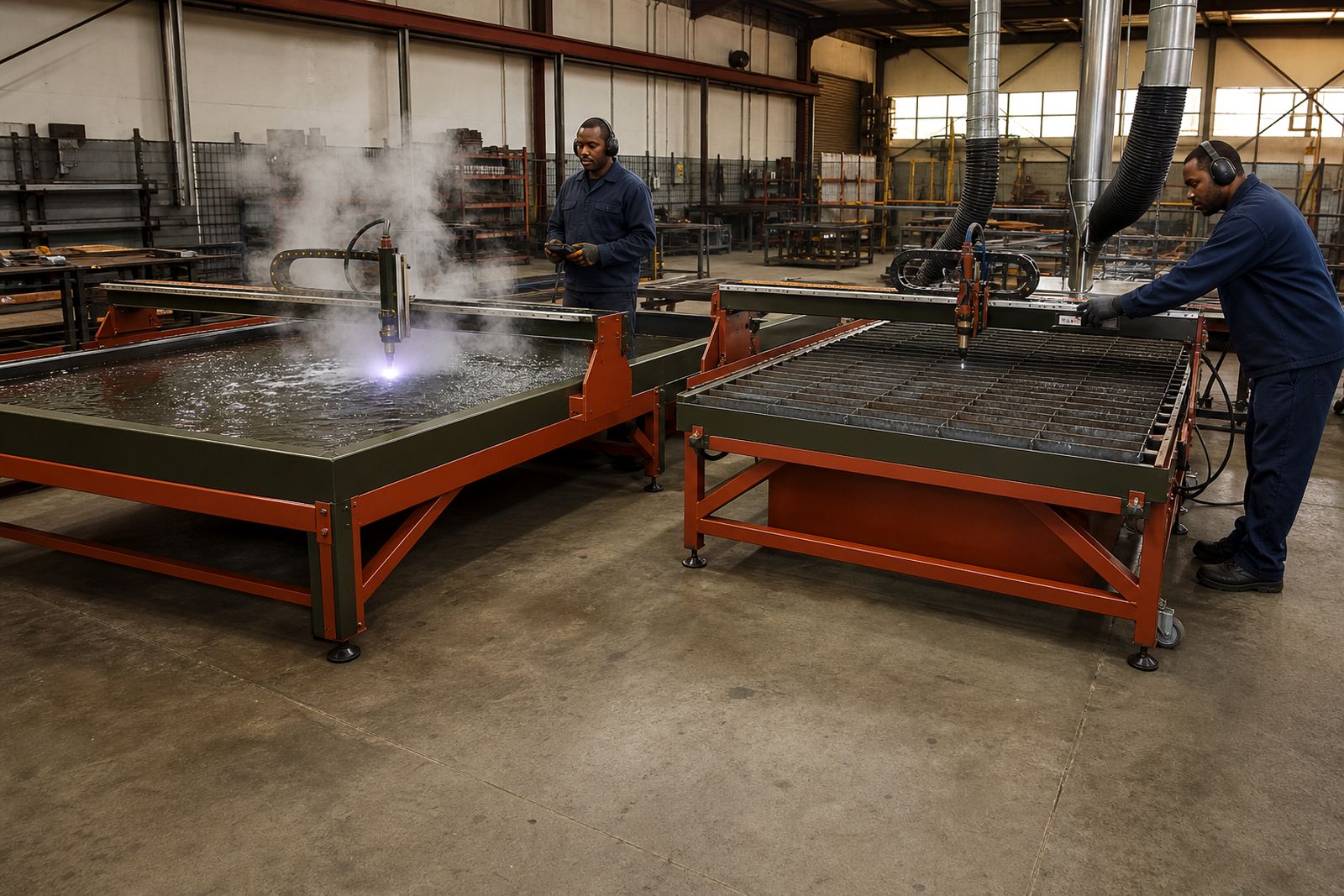
Water tables and downdraft beds do wear slats differently. Water helps with heat and fume control, but dross still builds and repeated starts still attack the top edge. Downdraft beds often show hard wear in the main cutting lanes where hot debris and airflow concentrate under the sheet.
Also worth a look
Tell us about the job
Send sizes, materials and where you are through our contact form, and we will come back with the practical options.
Open the contact form